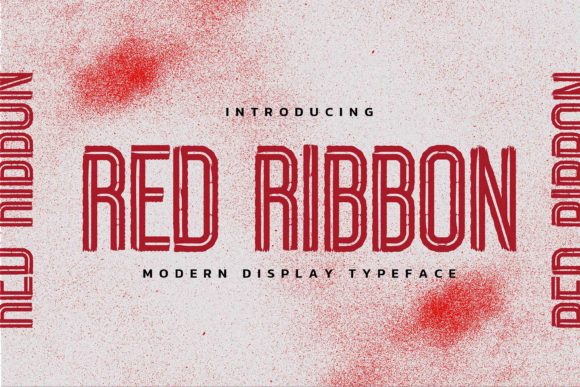
Crafting with Character: The Red Ribbon Typeface
I’m pressing the cutter’s mat into the machine, and the screen glows softly. In my software window, the phrase “Farmhouse Lavender” sits against a simple sketch of a glass jar. It’s not just the words, though; it’s the way they look. The letters have a gentle sway, like a ribbon unfurling. This is Red Ribbon, and I’m designing a new label for my candle collection.
The Warm, Natural Touch of a Display Font
When you work with handmade items, every detail matters. You want the personality of your product to shine through, from the texture of the paper to the finish on the wax. Typography is a crucial part of that personality. Red Ribbon is a modern display typeface, but it has a distinctly natural, handmade feel. Each character isn’t rigid or overly perfect; it has a subtle organic flow that suggests care and craft. It’s a font that doesn’t shout; it invites. This charm is perfect for projects that need a touch of warmth and approachable elegance.
The style sits beautifully between classic and contemporary. It’s not a formal script, nor is it a stark geometric font. Its mood is creative, enjoyable, and hands-on—much like the process of making the products it will adorn. For makers, sellers, and creators, this visual appeal directly translates to perceived quality. A label, card, or tag using Red Ribbon immediately feels thoughtful and bespoke, engaging customers with its emotional appeal.
Bringing Your Products to Life
Let’s walk through some realistic applications where this typeface truly shines.
Physical Labels and Packaging
From candle jars to apothecary bottles, boutique product tags to honey jar stickers, Red Ribbon excels in small-scale decorative wording. Its open, clear forms ensure readability even at smaller sizes on stickers and labels. I’ve used it for my entire line of herbal tea blends—the font’s natural touch perfectly complements the product’s essence. On packaging, like a simple kraft paper box or a tissue-wrapped gift, the font adds a layer of sophistication without feeling cold or corporate.
Stationery and Celebrations
For greeting cards, wedding invitations, and welcome signage, Red Ribbon offers that beautiful natural touch. Designing a birthday invitation, I used it for the celebrant’s name and the main event title, paired with a clean sans-serif font for the practical details. On a large wedding welcome board or a digital save-the-date template, the font creates a cohesive, romantic aesthetic. It’s ideal for short phrases, names, and titles where you want that decorative, display impact.
Home Decor and Digital Downloads
Printable wall art, planner pages, and digital template kits gain immense value from thoughtful typography. A simple “Gather” print for a kitchen wall, rendered in Red Ribbon, feels personal and artistic. For digital downloads sold to other crafters, using a premium font like this elevates your templates, making them more desirable and versatile for their own projects.
Merchandise and Seasonal Designs
When applying designs to mugs, tote bags, or shirts via heat transfer or vinyl, you need a font that cuts well and reads clearly. The clean outlines of Red Ribbon work beautifully with cutting machines like Cricut or Silhouette. For seasonal craft designs—holiday tags, autumn sign kits, spring market posters—the font’s adaptable mood lets it fit right in, adding a handmade signature to your festive creations.
Practical Considerations for Crafters
Using a font like this in a commercial or hobbyist setting requires some practical attention to detail. It’s not just about the look; it’s about functionality and licensing.
Readability and Pairing
As a display font, Red Ribbon is best used for headlines, product names, and key phrases. For longer text on cards or packaging (like ingredients or instructions), pairing it with a simple, highly readable sans-serif or serif font is essential. This pairing creates balance and ensures all your information is clear. When testing on mockups, always check how it looks at the actual printed size—a beautiful font on a screen can sometimes lose detail on a small sticker. Its natural feel often pairs wonderfully with other handwritten or script fonts for more elaborate designs, or with bold display fonts for contrast.
Technical Details and Licensing
Before integrating a font into your physical products, templates, or digital downloads for sale, always check the included styles and licensing. Does the Red Ribbon font file include alternates, ligatures, or swashes that can add variation? What weights are available? Confirm the file formats (OTF, TTF) work with your design software and cutting machine applications. Crucially, verify the commercial font license allows for use on merchandise, printables, and packaging. Many premium fonts cover this, but it’s a vital step to protect your business. Also, consider multilingual support if your market extends beyond English.
A Font as a Creative Partner
In the end, a typeface like Red Ribbon becomes more than a tool; it becomes a creative partner in your brand identity. Consistency across your candle labels, your shop signage, your social media graphics, and your packaging builds customer recognition. This particular font, with its modern yet handmade character, tells a subtle story about your values—care, creativity, and a natural approach to quality.
My lavender candle labels are now printed, the Red Ribbon typeface curling softly around the jar. They look not just made, but crafted. That’s the power of choosing typography with intention. It’s the final, beautiful detail that makes your handmade work feel complete, ready to be shared, and genuinely special.